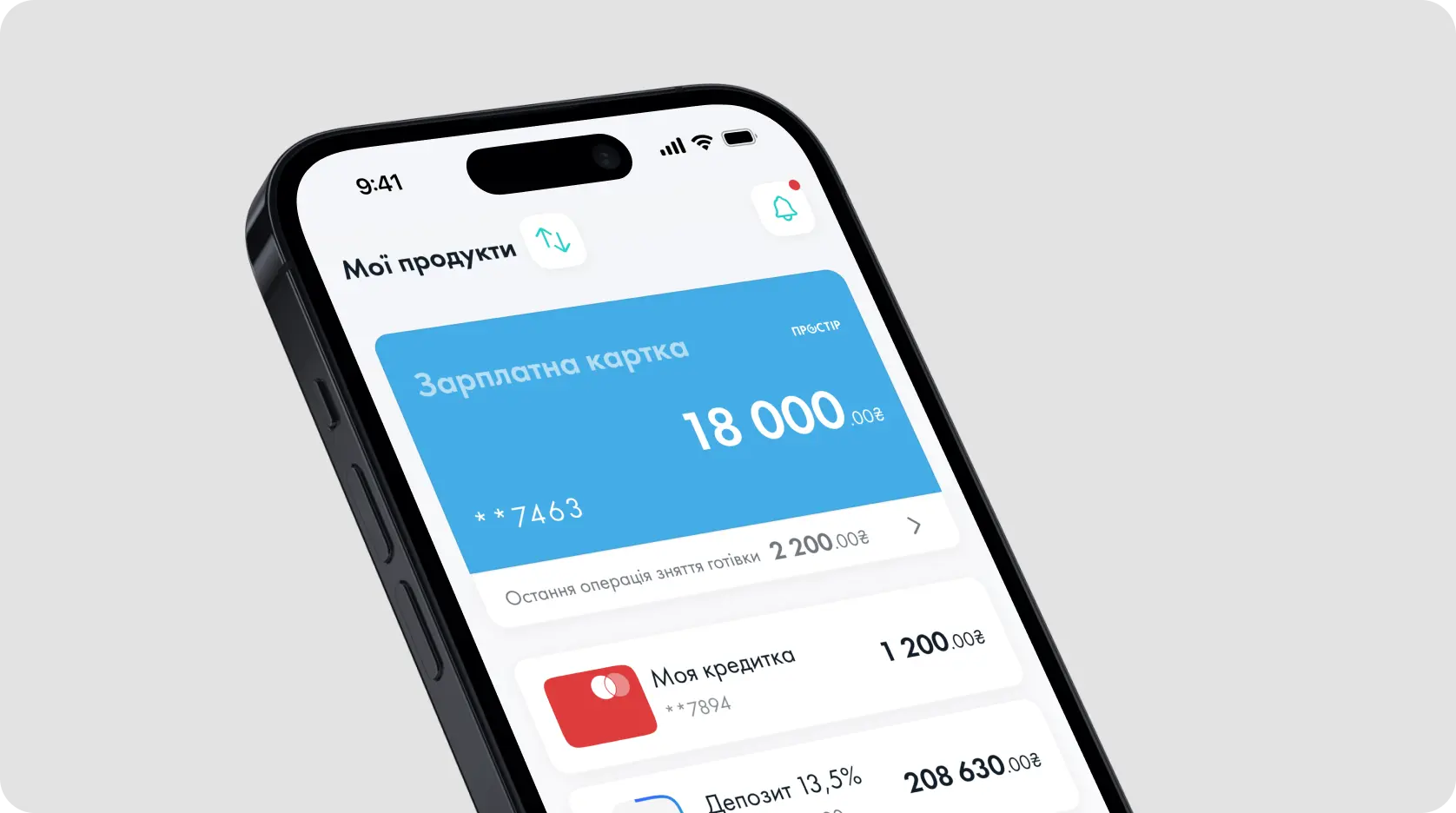
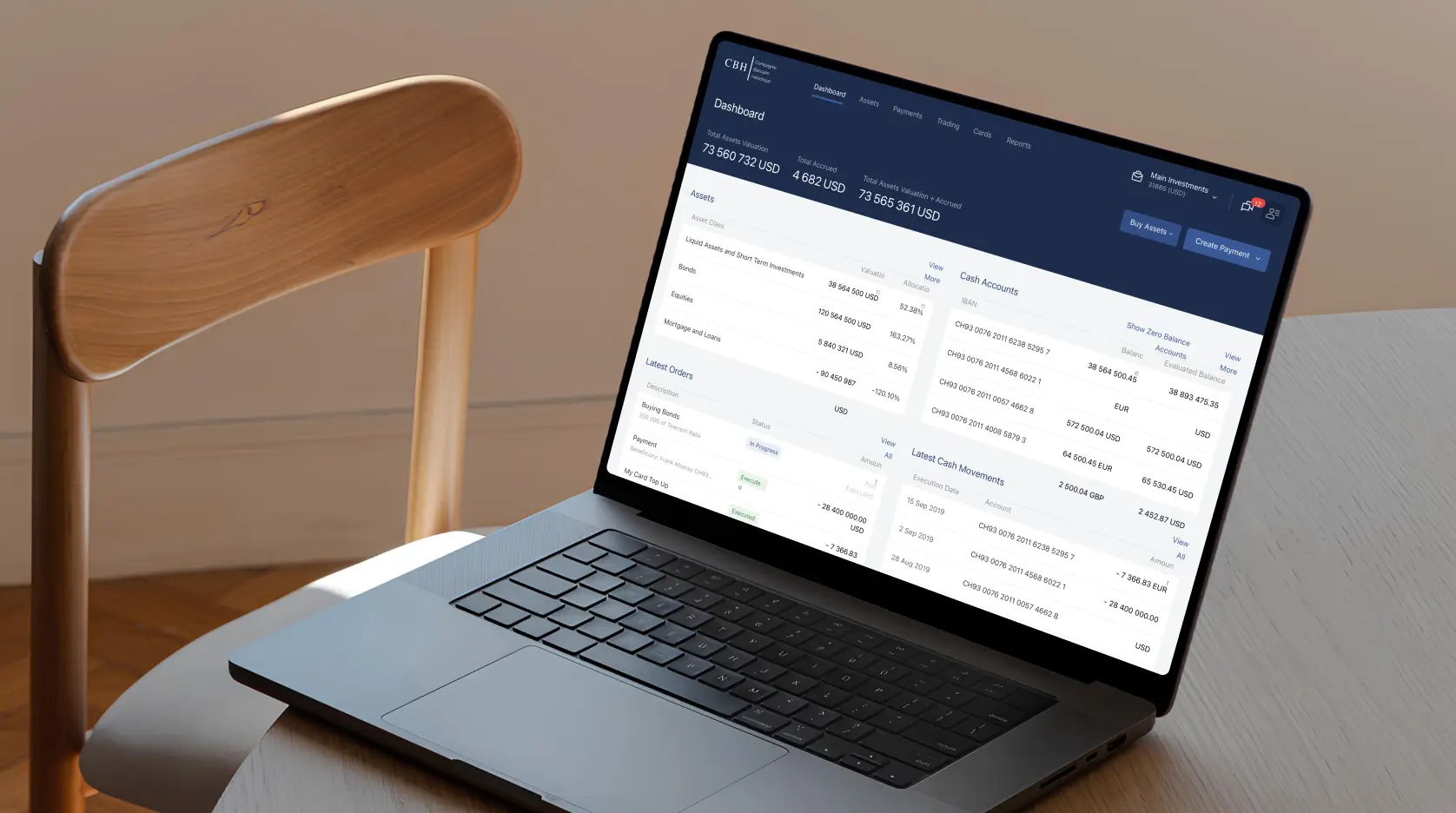
As mobile demand accelerated, Zakaz.ua needed more than an app. Alty helped establish mobile as a core channel while building the internal capability required to own and scale it long term.

App store ratings, validating product-market fit and usability

4.9
Independent release cycles from day one post-MVP

Internal mobile leadership established
Enabled launch despite the absence of initial backend APIs
Parallel API-contract strategy
Long-term scalability without external lock-in
Vendor dependency structurally reduced
About the Client
Zakaz.ua is Ukraine’s leading online grocery delivery service, operating in partnership with major retail chains
Mobile adoption was accelerating, and pandemic conditions increased urgency. However, the company lacked internal mobile expertise and backend APIs prepared for mobile integration. Without internal ownership, mobile expansion would have locked Zakaz.ua into long-term vendor dependency, limiting iteration speed and increasing strategic risk as competition intensified.
This created a core dilemma:
How to launch mobile quickly without creating long-term vendor dependency or architectural misalignment.
The challenge was not app delivery. It was institutionalizing mobile as a sustainable internal capability.
The Challenge
Zakaz.ua faced a strategic channel expansion tension
Mobile adoption was accelerating, and pandemic conditions increased urgency. However, the company lacked internal mobile expertise and backend APIs prepared for mobile integration. Without internal ownership, mobile expansion would have locked Zakaz.ua into long-term vendor dependency, limiting iteration speed and increasing strategic risk as competition intensified.
This created a core dilemma:
How to launch mobile quickly without creating long-term vendor dependency or architectural misalignment.
The challenge was not app delivery. It was institutionalizing mobile as a sustainable internal capability.

Expanding into mobile without internal ownership
Building against backend systems not yet designed for mobile
Delaying launch while waiting for full backend readiness
Locking future iteration speed to external vendors
Objective
Alty joined Zakaz.ua as an embedded mobile transformation partner with a dual-track mandate: Launch a reliable mobile channel and build the internal capability required to sustain and scale it. This required simultaneous product delivery and structured capability transfer.
Backend APIs did not yet exist, and sequential development would delay launch and increase coordination risk. So Alty’s team defined formal API contracts early and structured mobile and backend development to proceed in parallel using mocked data. This strategy eliminated timeline dependency and reduced integration rework while preserving architectural discipline.
Alty structured the engagement around parallelization and embedded enablement.
API contracts were agreed upfront, allowing frontend mobile development to progress independently while backend services were implemented.
At the same time, mobile specialists were embedded into active delivery streams, ensuring knowledge transfer occurred during execution rather than after launch. This approach reduced coordination risk, accelerated time-to-market, and prevented post-launch ownership gaps.
The Results
Mobile institutionalized as a core customer channel fully embedded in Zakaz.ua’s operating model
App store ratings, validating product-market fit and usability
4.9
Independent release cycles from day one post-MVP
Internal mobile leadership established
Enabled launch despite the absence of initial backend APIs
Parallel API-contract strategy
Long-term scalability without external lock-in
Vendor dependency structurally reduced
Key Takeaways
01
Mobile expansion requires both product delivery and internal capability
02
API contracts enable parallel delivery when backend systems are not yet ready
03
Native experiences remain critical for high-frequency commerce
04
Knowledge transfer reduces long-term dependency and supports sustainable growth