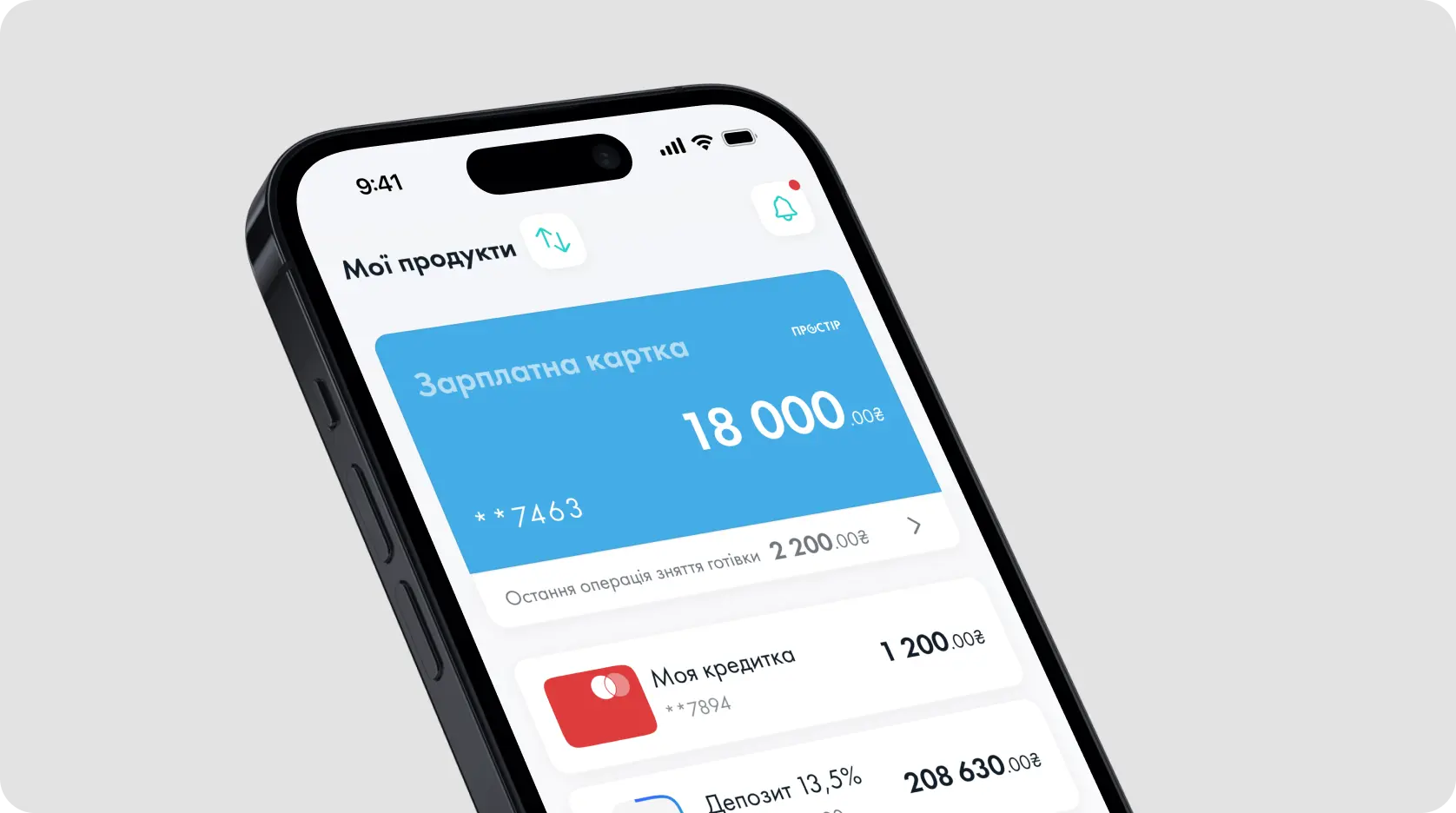
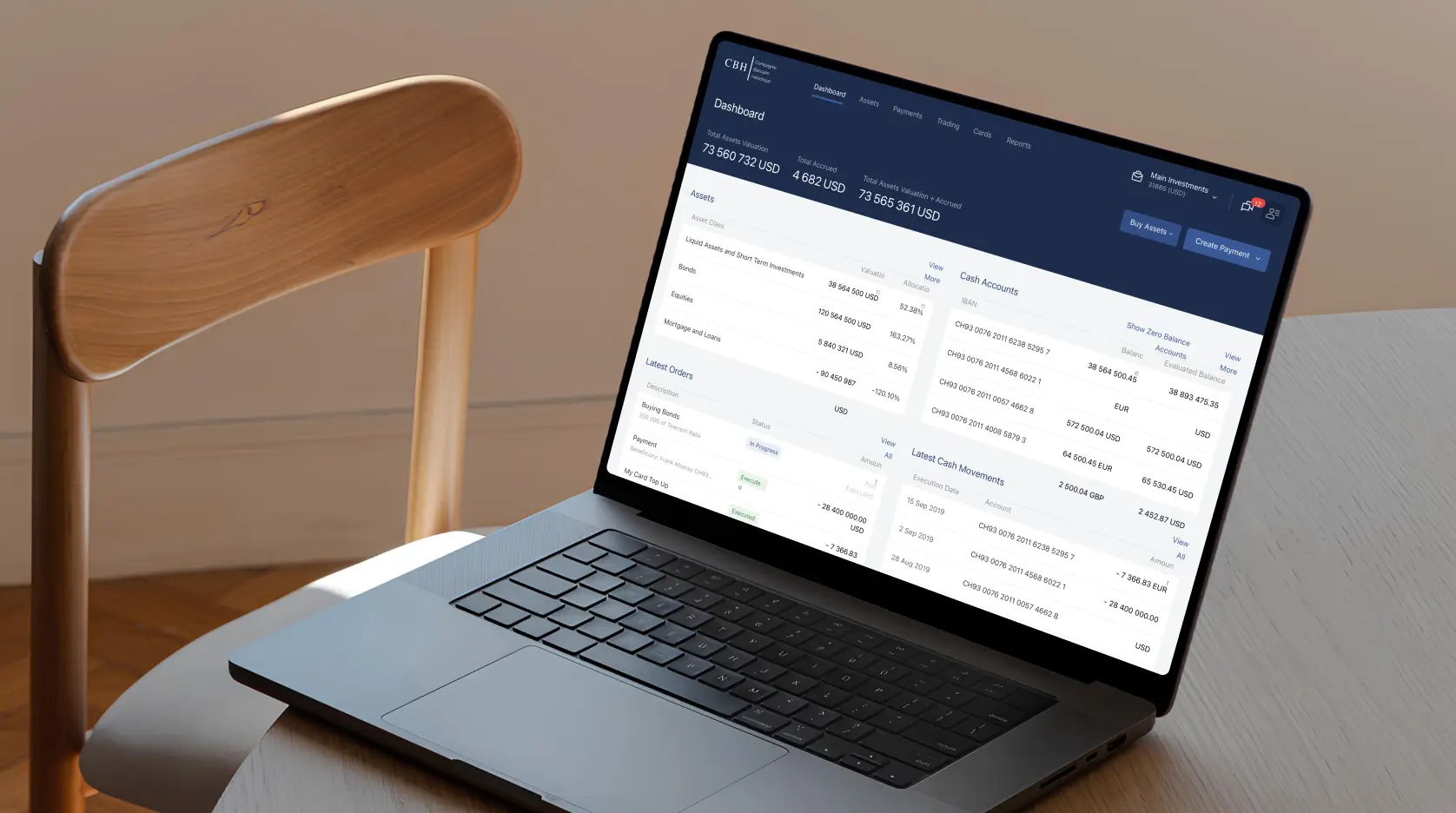
CBH partnered with Alty to transform a traditional private banking model into a modern digital operating platform. The initiative unified systems, communication, and operations, creating the foundation for secure digital banking under strict regulatory requirements.

Institutional infrastructure validated through independent cybersecurity and regulatory audits — confirming structural compliance readiness.

Compliance ready
Manual operational dependencies reduced through automation — lowering error exposure and increasing institutional control

Manual work reduced
Long-term institutional digital capability secured through establishment of a dedicated R&D function supporting continuous platform evolution

R&D capability secure
About the Client
Compagnie Bancaire Helvétique (CBH) is a Swiss private bank focused on wealth management for private and institutional clients
With strong Swiss banking traditions and high regulatory expectations, the bank required digital systems that matched its security standards while supporting modern client expectations. The objective was not a new interface, but a full digital overhaul of infrastructure and communication.
The Challenge
CBH operated as a traditional Swiss private bank, where client relationships were handled manually by wealth managers
The bank lacked a modern digital core capable of supporting real-time services or scalable client interaction. Without rebuilding its infrastructure, the bank could not evolve into a digitally capable private or retail banking institution.
CBH faced a structural limitation rather than a feature gap.
Banking products, communication tools, and backend systems operated across separate platforms and technologies. Expanding digital capabilities without consolidation would increase technical complexity and operational burden.
Without consolidation and automation, continued digital growth would have increased systemic risk rather than reducing it. Continued expansion on legacy systems would increase operational risk, audit exposure, and structural inability to evolve toward digital private banking.
A previous agency engagement failed due to lack of structural ownership and integration discipline, leaving the bank without a coherent digital direction.
Fragmented systems limited scalability
Distributed communication channels reduced operational clarity
Integrating mobile, web, desktop, and backend systems into one cohesive ecosystem
Regulatory and cybersecurity requirements demanded validated, audit-ready infrastructure
Manual processes increased exposure to human error
Maintaining regulatory compliance across all platforms
Automating operational processes while preserving Swiss banking standards
Centralizing secure communication between clients and bankers
Passing independent cybersecurity and regulatory audits
Objective
Alty acted as a product and engineering partner with a clear mandate: Redesign the platform and modernize the frontend technology while introducing mobile access to improve usability and scalability.
The strategy prioritized consolidation and automation over incremental improvements.
Digital product development was paused until the foundational platform architecture and operating logic were restructured. The priority was establishing a unified digital core before enabling any client-facing functionality.
Multiple banking products were integrated into one connected ecosystem across mobile, web, and desktop
Communication channels between clients and employees were unified into a single secure environment
Operational processes were automated to reduce manual intervention and minimize human error
These decisions reduced structural complexity and strengthened regulatory resilience.

Insight
Manual, relationship-driven workflows prevented real-time service logic and digital scalability.

Decision
Rebuild the bank’s digital core and unify backend systems under a coordinated architecture.

Business effect
Enabled real-time private banking services and created the structural base for digital expansion.
Insight
Insight
Fragmented communication channels created audit blind spots and operational ambiguity.
Decision
Centralize all client–bank and internal communication within a secure, traceable infrastructure.
Business effect
Improved compliance traceability and reduced coordination risk across departments.
The Results
A unified digital operating platform established
Enabling private banking services to function in real time across channels.
Institutional infrastructure validated through independent cybersecurity and regulatory audits — confirming structural compliance readiness.
Compliance ready
Manual operational dependencies reduced through automation — lowering error exposure and increasing institutional control
Manual work reduced
Long-term institutional digital capability secured through establishment of a dedicated R&D function supporting continuous platform evolution
R&D capability secure
Key Takeaways
01
Digital transformation in private banking requires structural consolidation, not interface upgrades
02
Automation reduces operational risk in regulated financial environments
03
Unified communication strengthens both efficiency and client trust
04
Regulatory validation must be embedded into architecture from the start