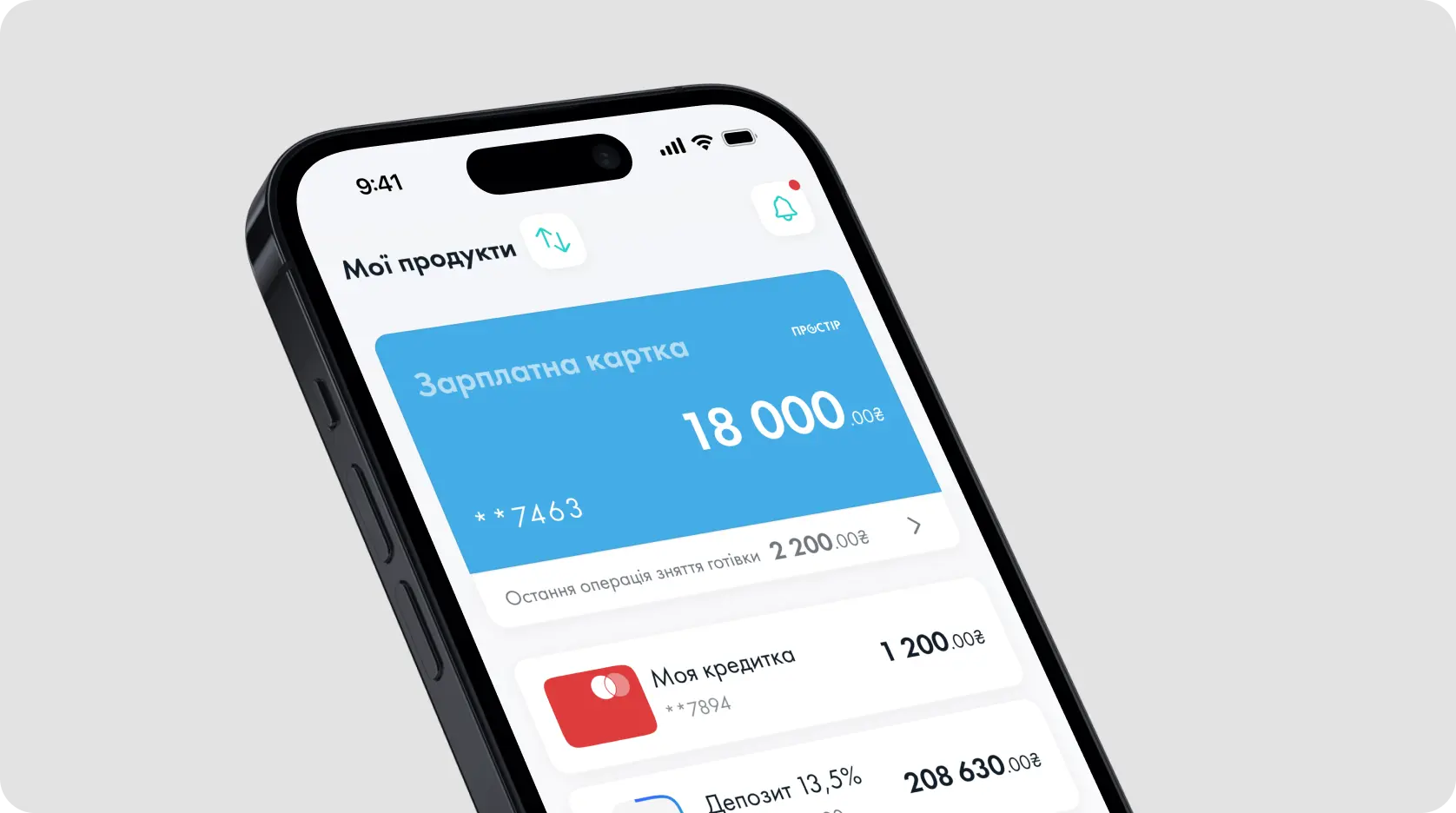
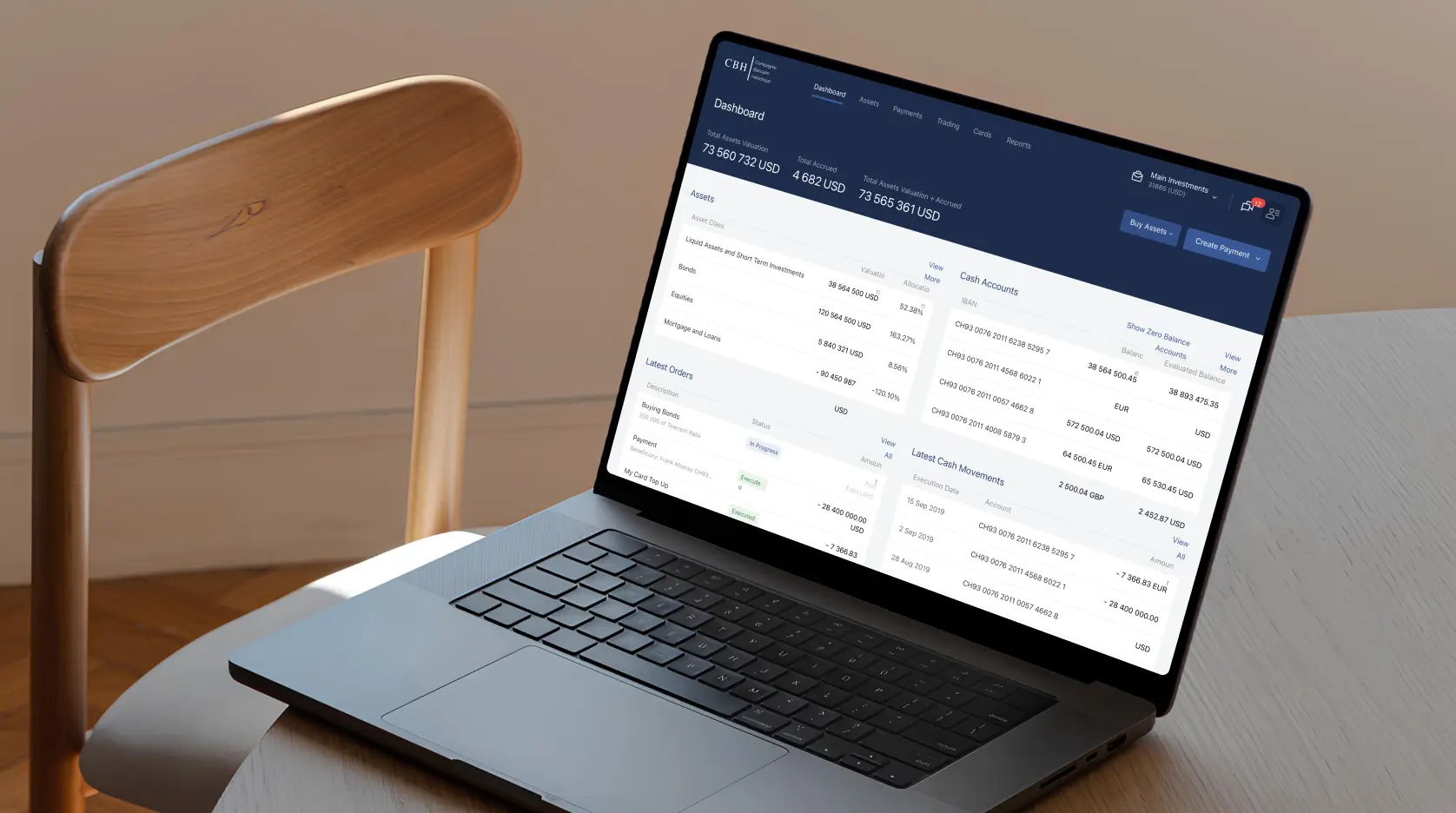
Raiffeisen Bank partnered with Alty to design a digital lending experience for regulated market entry and future regional expansion. Alty translated the bank’s business, compliance, and technical inputs into a clear onboarding structure that could accommodate different jurisdictions without requiring a full redesign for every market.

Created a digital lending experience that accounted for KYC, AML, identity verification, legal review, and jurisdiction-specific requirements from the design stage.

Market-entry readiness
Converted extensive lending and compliance requirements into guided steps, predefined answer paths, visible progress, and flows that preserved customer data between sessions.

Clearer regulated onboarding
Established onboarding and visual communication patterns that could accommodate country-specific requirements without redesigning the full customer journey.

Reusable multi-market logic
Elements of the visual language, interaction patterns, iconography, and form structure were later applied across other Raiffeisen products and markets.

Broader design-system influence
About the Client
Raiffeisen Bank International is one of Central and Eastern Europe's leading banking groups, operating across multiple countries and serving millions of retail and business customers.
As part of its growth strategy, the bank planned to enter the Polish market with a new digital lending proposition and create a foundation for expansion into Moldova, Romania, and other regional markets.

The Challenge
Raiffeisen faced a market-entry challenge, not simply a product-design task.
The bank had already identified consumer lending as the direction for entering Poland and was finalising the specific proposition. The proposition focused on medium-term personal loans for expenses such as home improvements, vehicle purchases, repairs, and household upgrades.
The product had to compete in an established market while meeting regulatory requirements across several jurisdictions.
The challenge was to make a regulated lending process understandable for customers while keeping the experience adaptable across markets.
Designing a lending experience that could support launch in Poland and future expansion into Moldova and Romania.
Balancing KYC, AML, identity verification, and legal requirements with a clear customer journey.
Reducing friction created by extensive data collection, documentation, and mandatory legal review.
Creating reusable journey patterns instead of redesigning the product for every market.
Aligning business, compliance, design, and technical requirements within one experience structure.
Without a consistent experience structure, each new country could introduce additional complexity, fragmented customer journeys, and repeated design work.
Objective
Alty joined as a product design and strategic consulting partner. Its role was to translate Raiffeisen’s market, compliance, and technical inputs into a clear digital lending experience.
Raiffeisen led market research and product validation for the lending proposition. Alty worked alongside business, compliance, and technical stakeholders to turn those findings and requirements into a coherent customer journey.
The central tension became clear early in the engagement. The bank needed to collect extensive information and meet strict legal requirements, but presenting every requirement through traditional forms would make the process difficult to understand and complete.
Alty therefore structured the experience around customer progress rather than around internal documentation.
Collaboration & Ownership
Alty translated business, legal, compliance, and technical inputs into a unified experience structure, helping stakeholders evaluate trade-offs through the lens of customer completion and future scalability.
The Results
Mobile became the primary engagement surface
Created a digital lending experience that accounted for KYC, AML, identity verification, legal review, and jurisdiction-specific requirements from the design stage.
Market-entry readiness
Converted extensive lending and compliance requirements into guided steps, predefined answer paths, visible progress, and flows that preserved customer data between sessions.
Clearer regulated onboarding
Established onboarding and visual communication patterns that could accommodate country-specific requirements without redesigning the full customer journey.
Reusable multi-market logic
Elements of the visual language, interaction patterns, iconography, and form structure were later applied across other Raiffeisen products and markets.
Broader design-system influence
Key Takeaways
01
Regulated onboarding becomes manageable when requirements are structured around customer progress.
02
Multi-market products need reusable journey logic, not duplicated country-specific experiences.
03
04
Clear experience decisions give compliance, business, and engineering teams a shared foundation for implementation.